Asphalt, metal, or tile? Choosing the right roof for the South Carolina coast.
All three materials can work beautifully in the Lowcountry — but they earn their keep in very different ways. Here’s the honest comparison we give at kitchen tables in Bluffton.
When homeowners ask us “what’s the best roof?”, the truthful answer is a question back: best for what — this house, this budget, this stretch of coast, and how long you plan to stay under it?
Ragsdale Roofing and Innovations installs all three of the materials that make sense on the South Carolina coast: architectural asphalt shingles, metal, and tile. We don’t have a favorite child. What we have is twelve years of watching each one perform through hurricane seasons, salt air, and 100-degree humidity — and a strong opinion that you should understand the trade-offs before any contractor, including us, hands you a bid.
Wind resistance: the first question on the coast
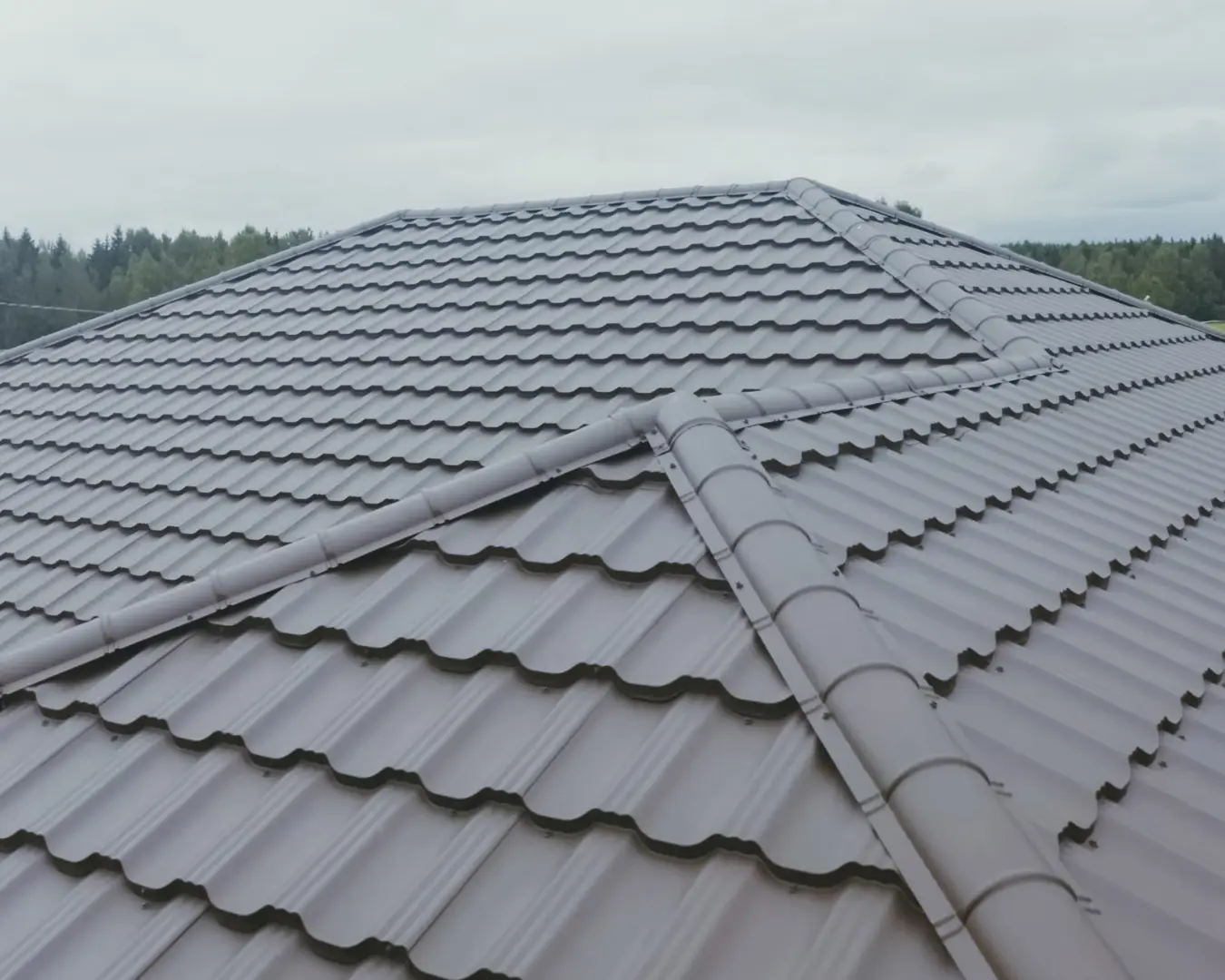
Between June and November, this is the trade-off that matters most. Modern architectural shingles carry impressive wind ratings and, properly nailed and sealed, ride out most of what the Atlantic sends our way; their weakness is age — seals loosen over the years, and an older shingle roof gives up tabs in gusts a young one would shrug off. Standing-seam metal is the wind champion: panels lock mechanically to concealed clips, so there are no exposed edges for a gust to pry up. Tile is heavy enough to resist uplift, but individual tiles can crack or dislodge under flying debris, and a compromised tile roof is harder to emergency-patch than either alternative. Whatever you choose, installation quality — fastener count, edge detailing, underlayment — moves wind performance more than brand names do.
Salt air: the slow-motion test
Salt-heavy coastal air is hardest on metals — which sounds like a strike against metal roofing, but really it’s a strike against the wrong metal. Aluminum and properly coated steel panels are made for marine environments; bare or bargain-grade steel is not, and neither are cheap exposed fasteners, which can corrode and weep rust streaks long before the panels fail. Asphalt shingles are largely indifferent to salt, though their metal flashings aren’t — another reason detailing matters. Tile itself is essentially salt-proof, one reason it’s graced coastal architecture for centuries.
Heat and energy: your August power bill
Lowcountry summers cook dark roofs. Metal reflects rather than absorbs solar heat, and light-colored or reflective-coated panels can take a real bite out of cooling costs — it’s the material we recommend most often when energy efficiency tops the list. Tile earns second place through mass and airflow: the air gap beneath each tile acts as natural insulation. Asphalt shingles absorb the most heat, though lighter colors and, above all, proper attic ventilation narrow the gap considerably. If your attic vents poorly, fix that before crediting any material with magic.
Lifespan and cost: the honest math
Here’s the pattern, in relative terms — be suspicious of anyone quoting exact prices before measuring your roof. Asphalt costs the least up front and lasts the least long: expect decades of service, but plan on being the person who replaces it. Metal costs noticeably more at installation and typically lasts roughly twice as long, which is why its cost per year of service often beats asphalt despite the bigger first check. Tile costs the most — both the material and the structural work it can require — and lasts the longest of all, often outliving the underlayment beneath it. The right way to compare isn’t the sticker price; it’s price divided by the years you’ll actually own the roof.
Looks, HOAs, and weight
In much of the Lowcountry, your roof isn’t entirely your decision. Architectural review boards from Sun City to Palmetto Bluff maintain approved palettes and materials, so check your HOA covenants before falling in love with anything. Aesthetically, architectural shingles are the neighborhood default and blend anywhere; standing-seam metal suits both Lowcountry vernacular and modern builds and is the fastest-growing look on Hilton Head Island; tile brings Mediterranean character that’s striking on the right home and jarring on the wrong one. And weight is a genuine engineering question for tile: concrete and clay are several times heavier than shingles, and many framing systems need reinforcement before carrying them. That’s an assessment, not a guess — we’ll tell you plainly whether your structure is a tile candidate.
Which one for you? Three scenarios
The forever home. If you plan to stay twenty-plus years, metal or tile usually wins the long math: you’ll likely never reroof again, and every hurricane season under a standing-seam roof is a calmer one. Tile makes most sense when the architecture calls for it and the structure can carry it.
The five-year horizon. Selling within a decade? Quality architectural shingles are hard to beat — lower cost, broad buyer appeal, and a “new roof” line in the listing that helps at closing. Spending up for a fifty-year material you’ll enjoy for five rarely pencils out.
The rental or investment property. Think in durability and downtime. Metal’s longer life and lower maintenance mean fewer tenant disruptions and service calls; if the purchase math is tight, architectural shingles keep initial costs down. Either way, prioritize wind performance — a storm-damaged rental costs you rent, not just repairs.
The next step
Material choice is half the decision; the other half is the crew that installs it. Every Ragsdale Roofing and Innovations roof — asphalt, metal, or tile — is built by our own in-house team to coastal wind code, whether it’s a full replacement of a tired shingle roof or a new installation coordinated with your builder. And if the numbers feel daunting, they may be friendlier than you think: qualified homeowners can get prequalified for 0% financing on a new roof in minutes, with no obligation.
Want a recommendation for your actual house instead of a hypothetical one? Call (843) 489-8966 for a free estimate. We’ll bring samples, walk the trade-offs, and tell you which material we’d put on the roof if it were ours.