Getting your roof ready for hurricane season in the Lowcountry.
June through November, the Atlantic gets to vote on how good your roof really is. Here’s how Bluffton and Hilton Head homeowners can stack the ballot before the first storm forms.
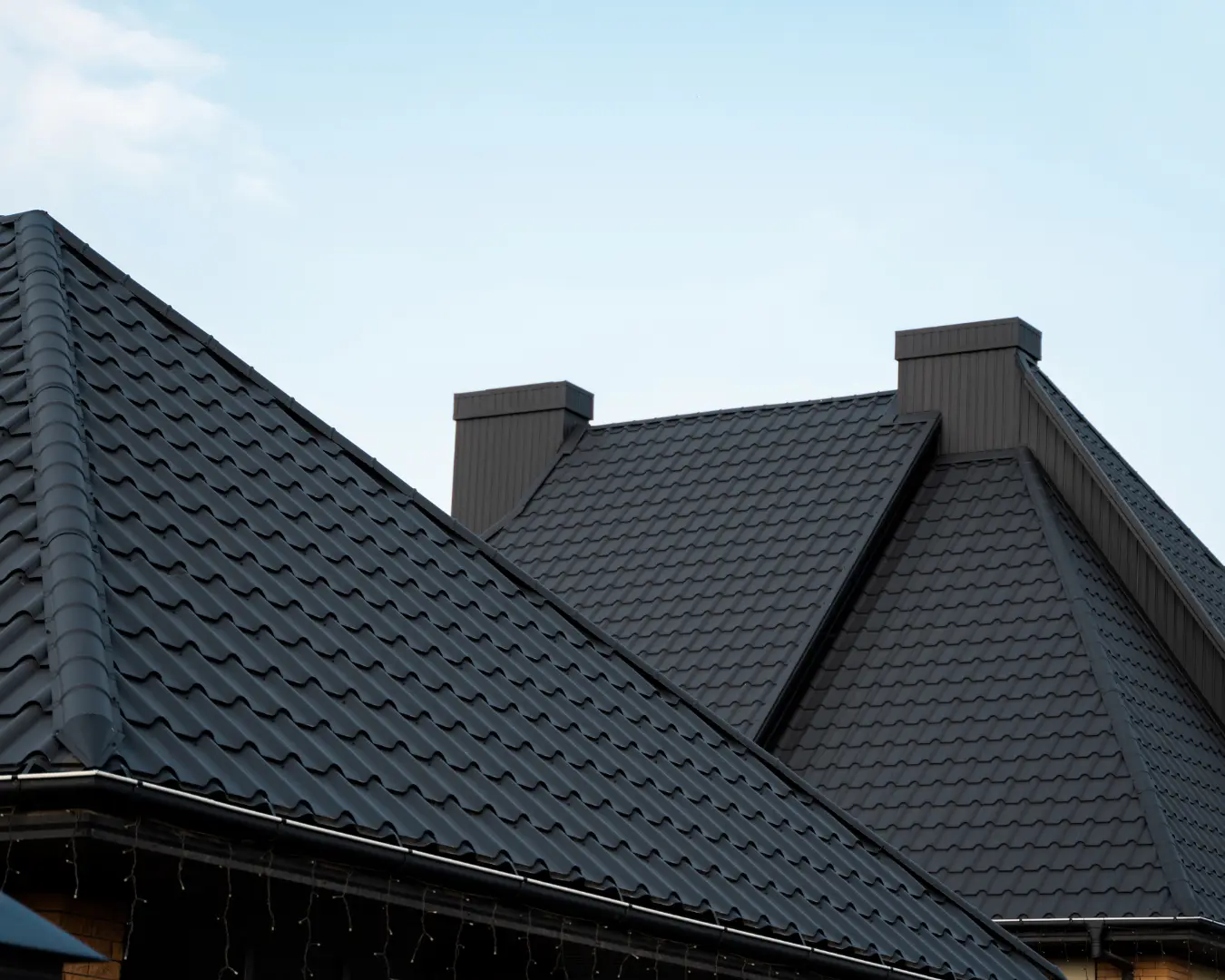
Every June 1, hurricane season opens like clockwork, and every June 1 most Lowcountry roofs are exactly as ready as they were the day before — which is to say, however ready they happen to be.
Living in Bluffton, Hilton Head, or anywhere along this coast means accepting a simple deal: most seasons brush past us, but it only takes one storm tracking up the Savannah River to turn a neglected roof into an open house. The encouraging part is that storm readiness isn’t mysterious or expensive. It’s a short list of chores, best done in late spring, that dramatically change how your roof — and your insurance claim — comes through a bad week. Here’s the list we’d work through on our own homes.
Start with a professional pre-season inspection
Wind doesn’t create most storm damage from scratch; it finds weaknesses that already exist and finishes the job. A shingle with a broken seal, a lifted flashing corner, a nail that’s backed out an eighth of an inch — each is a tab the wind can grab. A professional maintenance inspection in April or May finds and fixes those small failures for a fraction of what the same weaknesses cost in September. Roofers’ schedules also fill fast once the first named storm makes the news, so the early appointment is the easy one to get.
What you can check from the ground
You don’t need to climb anything — please don’t — to do a useful walkaround. Circle the house with binoculars or a phone camera zoomed in and look for: shingles that are cracked, curled, or missing; dark patches where granules have worn away; flashing that’s visibly lifted around the chimney or vents; and sagging spots in the roofline or gutters. Inside, check the attic on a sunny day for pinpoints of daylight and any musty smell. Anything on that list is a reason to call for a repair now, while it’s a line item instead of an emergency.
Clear the gutters and prove the drainage
A tropical system can drop a month’s rain in an afternoon, and gutters packed with live-oak leaves and pine straw turn that water into a moat against your fascia boards. Clean the gutters and downspouts, then run a hose to confirm water actually travels out and away from the foundation. While you’re at it, make sure downspout extensions are attached and aimed somewhere useful. Storm water you can’t drain becomes storm water in places you’ll regret.
Trim the limbs before the wind does
Walk your lot and look up at everything overhanging the roof. Live oaks are the glory of the Lowcountry and also its leading cause of punctured decking; pines snap in sustained wind like nothing else. A good rule: no limb should be close enough to touch the roof in a stiff breeze, because in a hurricane it won’t just touch. Hire a proper tree service for anything bigger than loppers can handle — and check whether your HOA or municipality has rules about tree work before you cut.
Document your roof for insurance — now, not after
This ten-minute chore has saved our customers more grief than any other item here. Photograph your roof from all four sides on a clear day, plus close-ups of the chimney, skylights, and gutters, and shots of each ceiling inside. Date them and store them in the cloud. When an adjuster asks whether the damage is new or pre-existing, “here’s the roof on June 1” ends the debate. Keep your policy number and your insurer’s claims line in the same folder while you’re at it.
Have an emergency plan for the roof itself
Decide before the season who you’ll call if a storm opens the roof, because deciding during one is miserable. Save a 24/7 roofing number in your phone — ours is (843) 489-8966, and yes, a human answers at 2 a.m. Know that emergency tarping exists precisely for this moment: a properly installed tarp stops active water intrusion and protects your claim until full repairs can happen. If you keep a tarp on hand, resist the urge to install it yourself on a wet roof in gusty weather; no roof is worth a fall.
After the storm passes
Once conditions are safe, repeat your ground-level walkaround and photograph everything that looks different — shingles in the yard, dangling gutters, fresh ceiling stains. Report damage to your insurer promptly, and get a reputable roofer to assess and tarp anything open to the sky.
Then comes the part we wish we didn’t have to write: after every major storm, out-of-town “storm chasers” sweep through Lowcountry neighborhoods knocking doors, demanding deposits, doing fast and shoddy work — or none at all — and vanishing before the next season finds their shortcuts. Never sign with anyone who shows up uninvited. Choose a local, licensed and bonded contractor with a physical presence and a track record you can check, one who’ll still answer the phone next year when a warranty question comes up. Ragsdale Roofing and Innovations has been that call for Lowcountry homeowners since 2014, with our own in-house crews on every job — and we’ll still be here in Bluffton long after the storm chasers’ tags are back out of state.
The takeaway
None of this takes more than a weekend plus one scheduled inspection, and all of it beats the alternative. If your roof hasn’t had professional eyes on it this year, book a free estimate with Ragsdale Roofing and Innovations before the tropics wake up — and keep (843) 489-8966 saved for the night you hope never comes. We answer 24/7, storm or shine.